
About our site
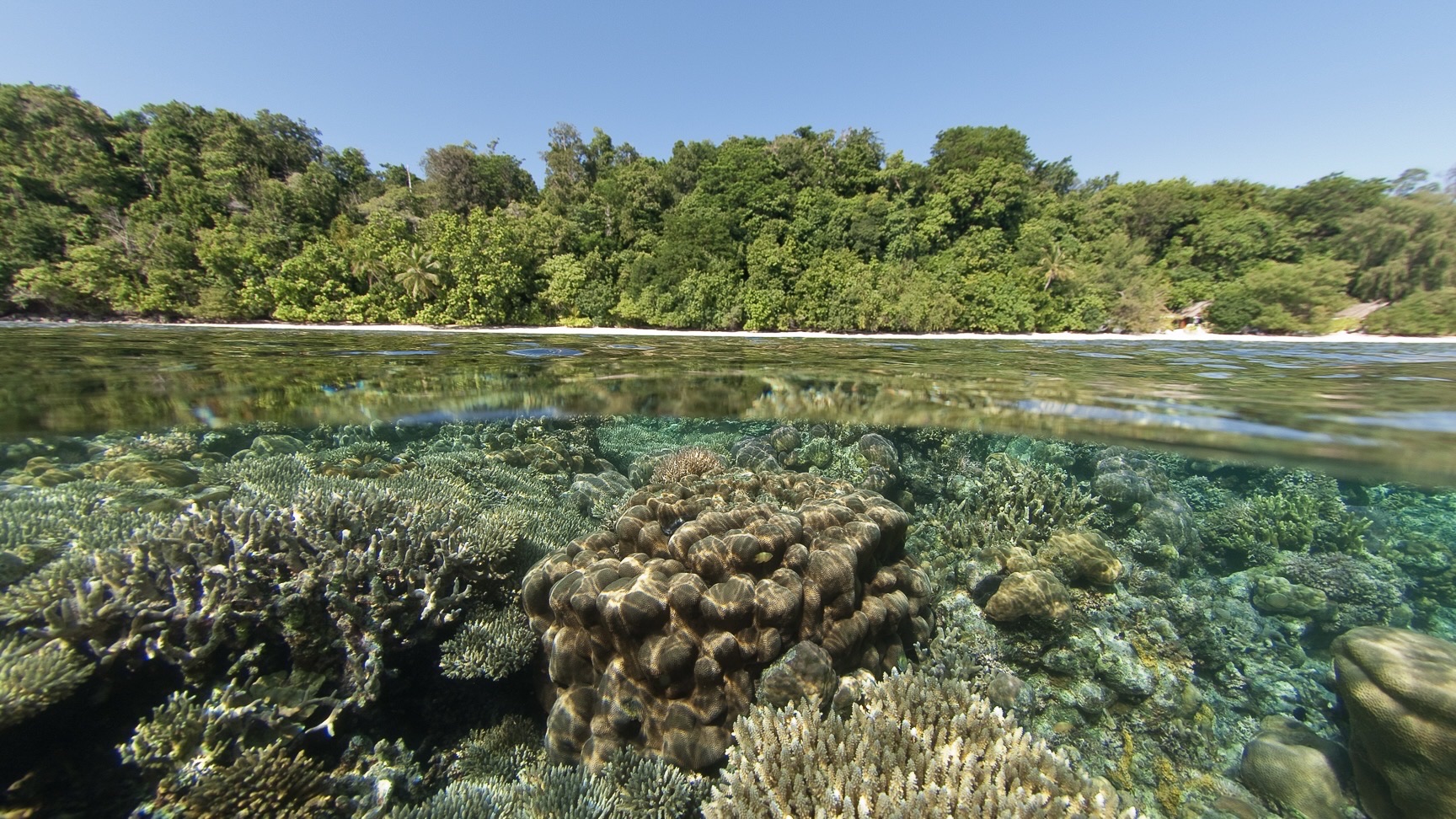
Kepulauan Togean National Park is a remote marine protected area in Central Sulawesi, Indonesia, located within the Coral Triangle, the global center of marine biodiversity. The park encompasses coral reefs, seagrass beds, mangroves, and small island ecosystems that support exceptionally high marine diversity and sustain the livelihoods and cultural traditions of the Bajau communities who have lived closely connected to these waters for generations.
Despite its ecological importance, the region remains one of the least documented marine protected areas in the Coral Triangle, with no comprehensive biodiversity surveys conducted since 2002. Historical and ongoing pressures, including destructive fishing practices and climate-related reef stress, have altered marine habitats across the region. Indonesian researchers and local partners are working to strengthen long-term conservation and monitoring efforts.
What we plan to achieve
Through eDNA Expeditions, the Kepulauan Togean National Park site will establish a long-term eDNA marine biodiversity monitoring program in shallow coastal habitats in one of the Coral Triangle’s least documented marine protected areas. Repeated eDNA sampling will be conducted alongside concurrent biodiversity surveys and mesophotic exploration efforts, allowing molecular datasets to be directly compared with visual observations and specimen-based records collected across the same sites.
By pairing standardized eDNA monitoring with ongoing field surveys, the project aims to better understand how biodiversity differs across habitats and depths, strengthen detection of species that are easily overlooked by traditional methods, and build temporal datasets that can support future monitoring and conservation planning. The work will also contribute to broader efforts to document data deficient marine biodiversity within the park.
The project is being carried out collaboratively with Indonesia’s National Research and Innovation Agency (BRIN) and includes graduate student-led research focused on sampling coordination, biodiversity analysis, data management, and long-term monitoring design. Local community participation and training, including engagement with Bajau communities, are also being integrated into field activities to help build local capacity for future biodiversity monitoring efforts in the region.