
Caution, confidence and small victories: inside the first eDNA Expeditions 2026-2028 sampling events
14 September 2026
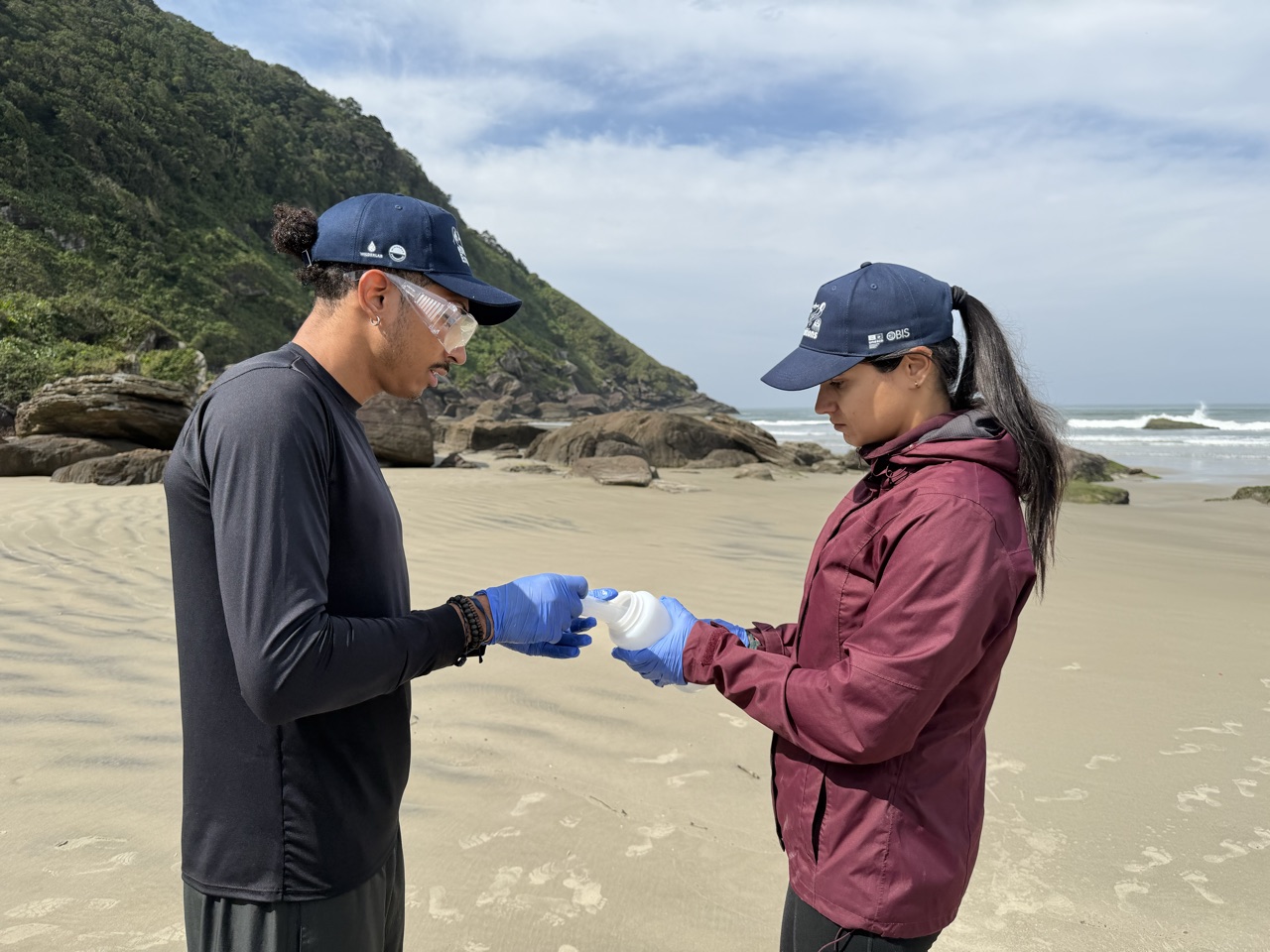
For each site participating in eDNA Expeditions 2026-2028, the first sampling event is a field test to verify how the project’s protocol performs in their local environments and whether it needs specific adjustments. Currents, turbidity of the water, rapidly changing conditions, depth, and even accessibility of the location can greatly affect how much water can be filtered and might eventually impact the results. Three participating sites carried out their first sampling event this summer. We got in touch with the site coordinators — Jeniffer Teles at Cananéia–Iguape–Peruíbe in Brazil, Joost Raeymaekers at Saltstraumen in Norway, and Sharon Rose Tabugo at Iligan Bay in the Philippines — to hear more about their experience, collect their insights, and learn about what worked perfectly and what worked less perfectly.
Preparing before the sampling day
The three site coordinators unanimously agreed that preparation before the sampling day was crucial, no matter the level of experience with environmental DNA or prior biomolecular sampling. Each team had its own strategy to make sure that all the people involved in the sampling event would know exactly what to do. “We watched the training video with the whole team and checked the manual to make sure we would take all the equipment with us,” said Jeniffer Teles. “We also did all the decontamination of the equipment in the lab the day before sampling.”
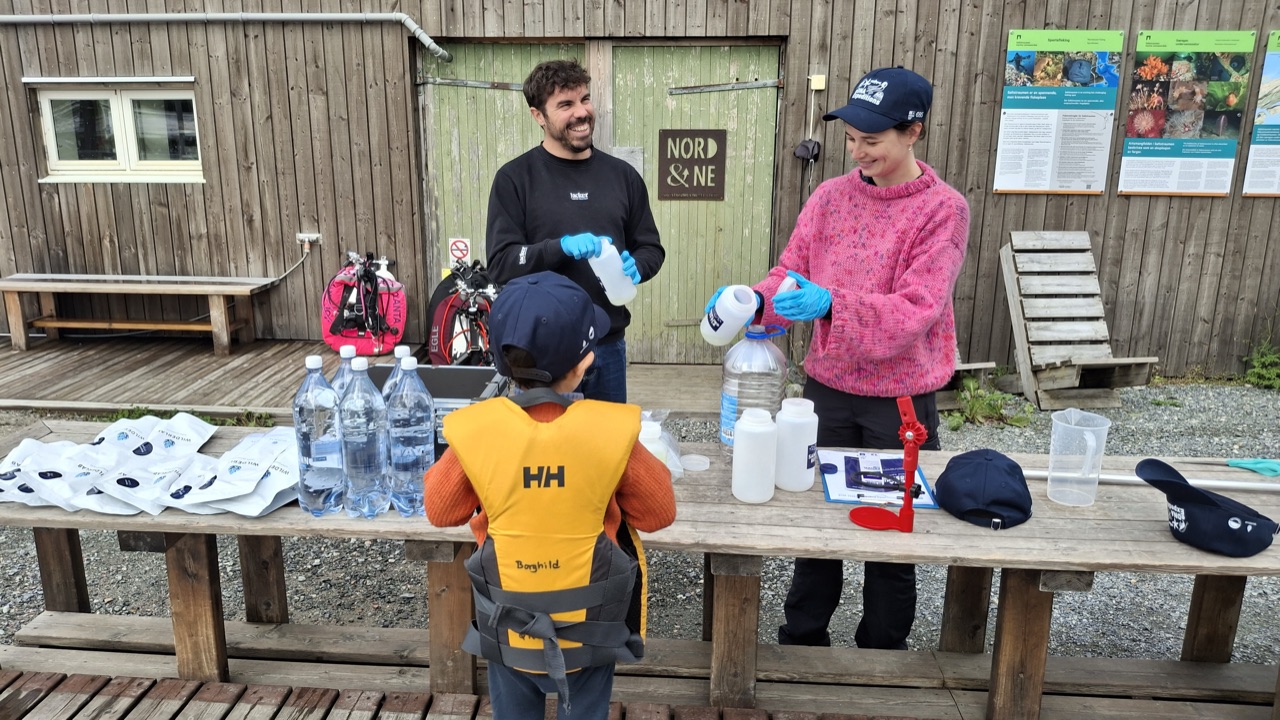
Joost Raeymaekers had a similar approach with the Saltstraumen sampling team. “Each team member watched the training video and went through the field sampling guide at least once. We gathered our questions for the training call with Emilie Boulanger, the project’s scientific officer, and Saara Suominen, the project’s Operations Officer. The whole team attended the video call, and we got all the answers we needed.”
At Iligan Bay, in the Philippines, Sharon Rose Tabugo encouraged members of the sampling team to go through the video and the guide at their own pace. “Then, ahead of the sampling day, we had a full rehearsal of the protocol in the lab with the entire team,” she explained. “Everyone could actually test and experience the gestures they would have to do in the field. And to make sure we had everything with us, we made a checklist that we verified against the field sampling guide and the video.”
Getting to the site: the beginning of an adventure
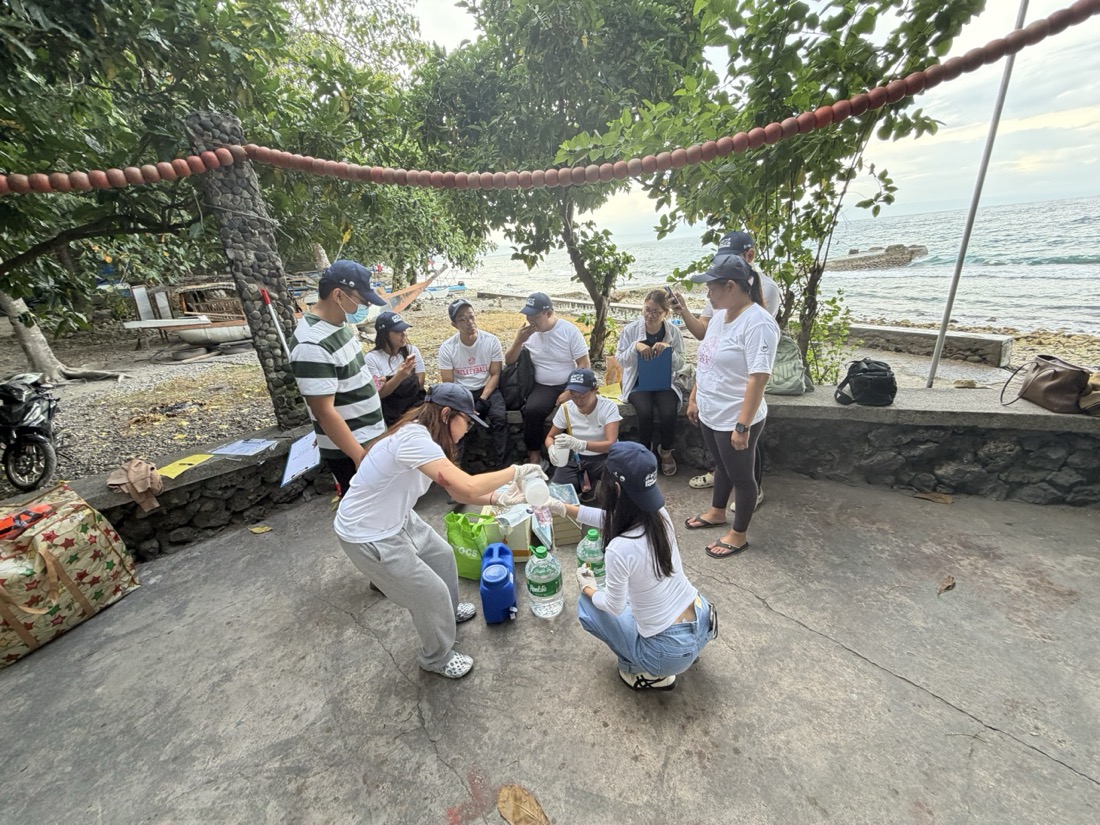
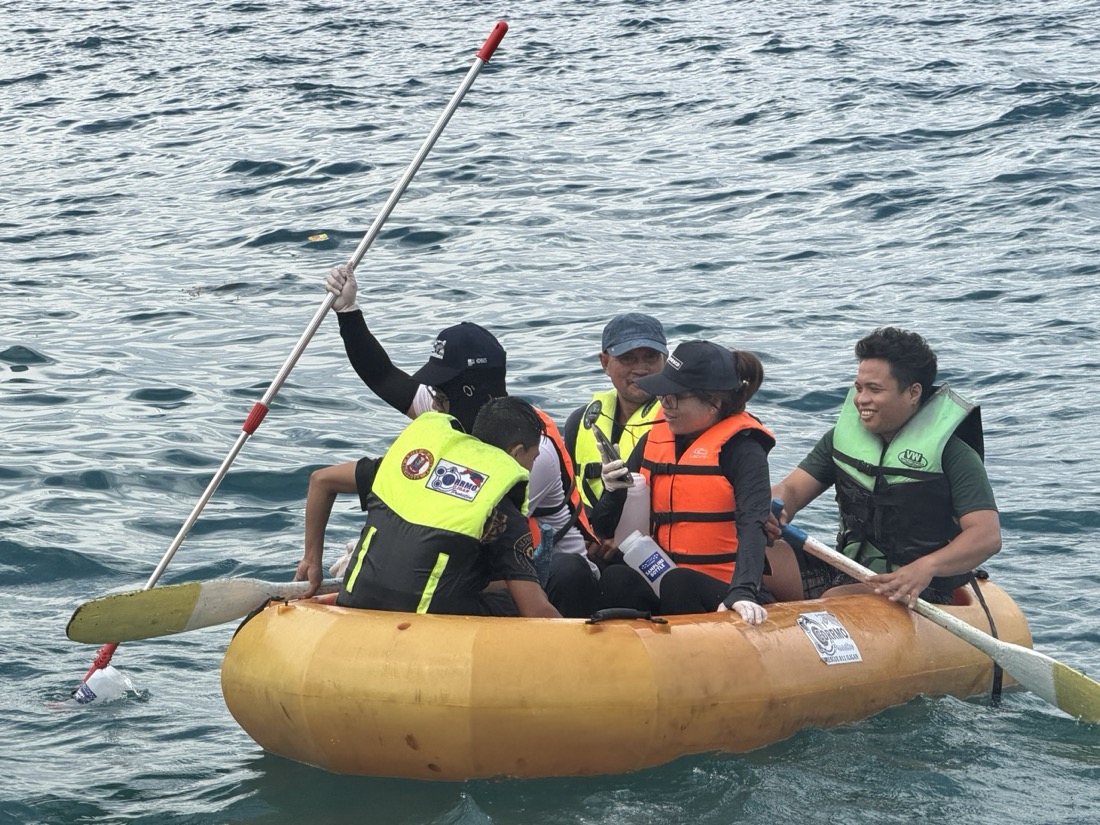
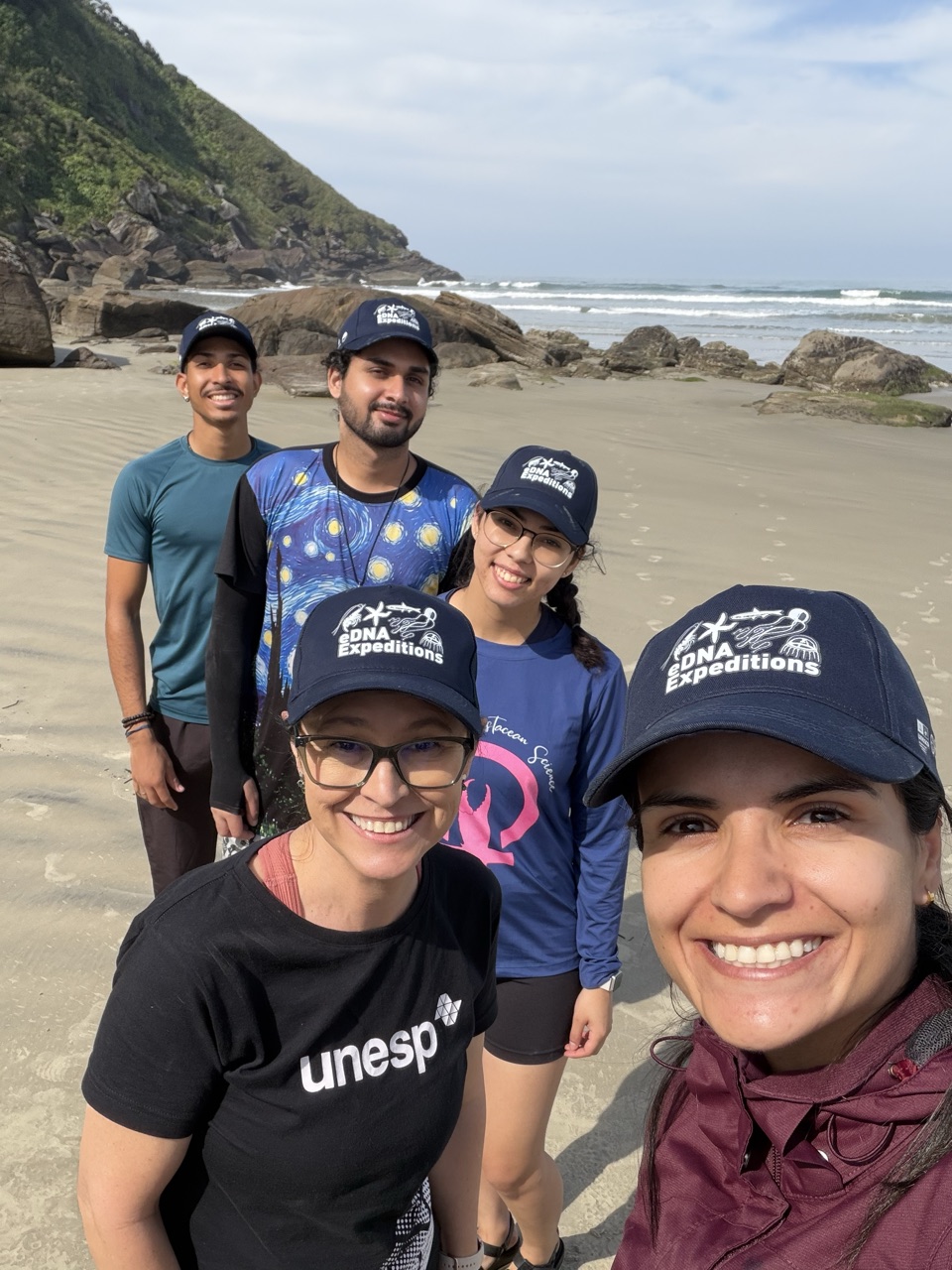
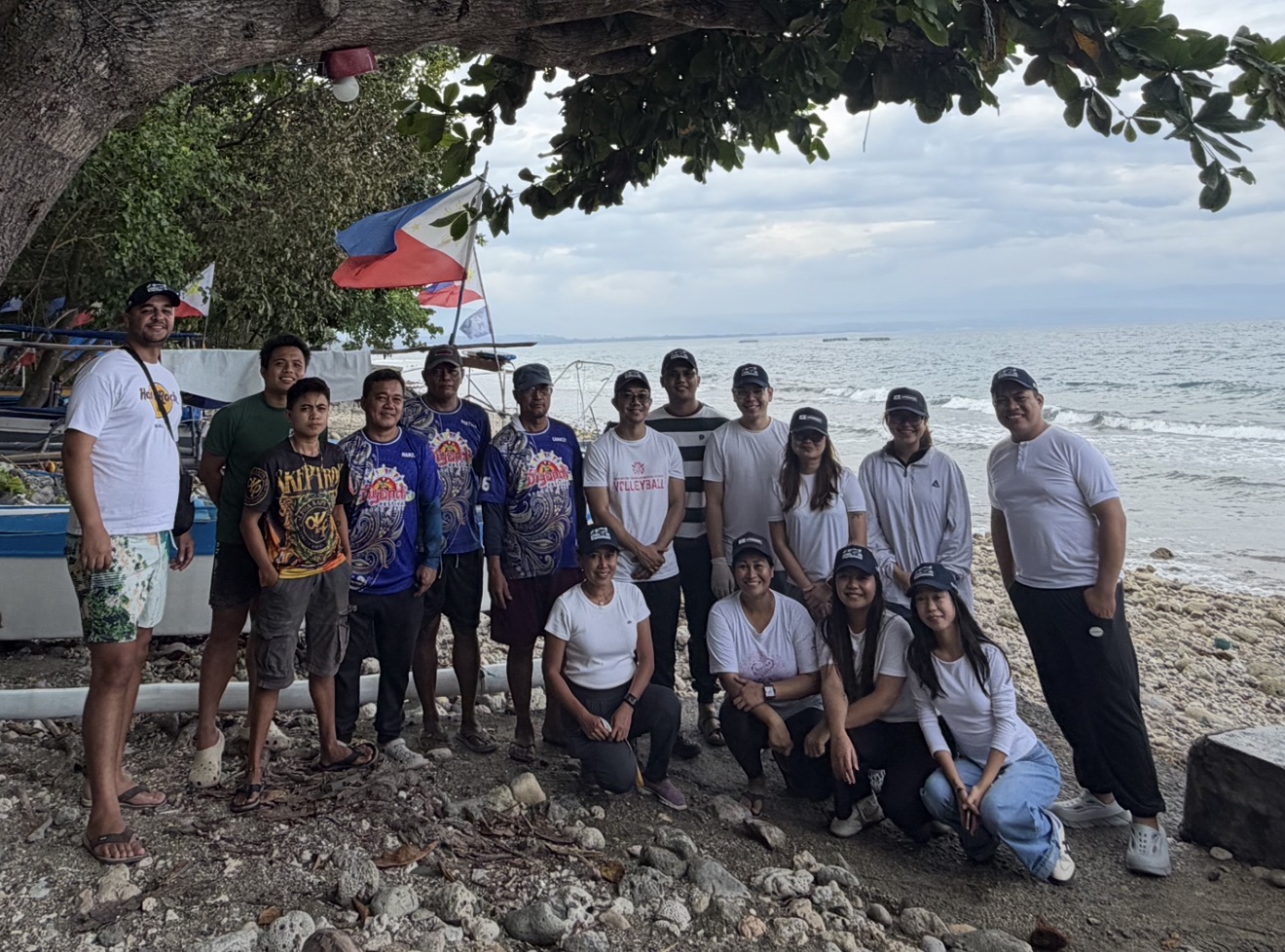
Team sizes varied a lot between sites: five people at Cananéia–Iguape–Peruíbe, seven at Saltstraumen, and a massive 21-person team at Iligan Bay, consisting of eight members of the core sampling team, two volunteer students, one assistant, and ten Bantay Dagat, the local “sea guardians,” who are part of the project. Getting all the people to the site was a bit of an adventure for Jeniffer Teles and for Sharon Tabugo.
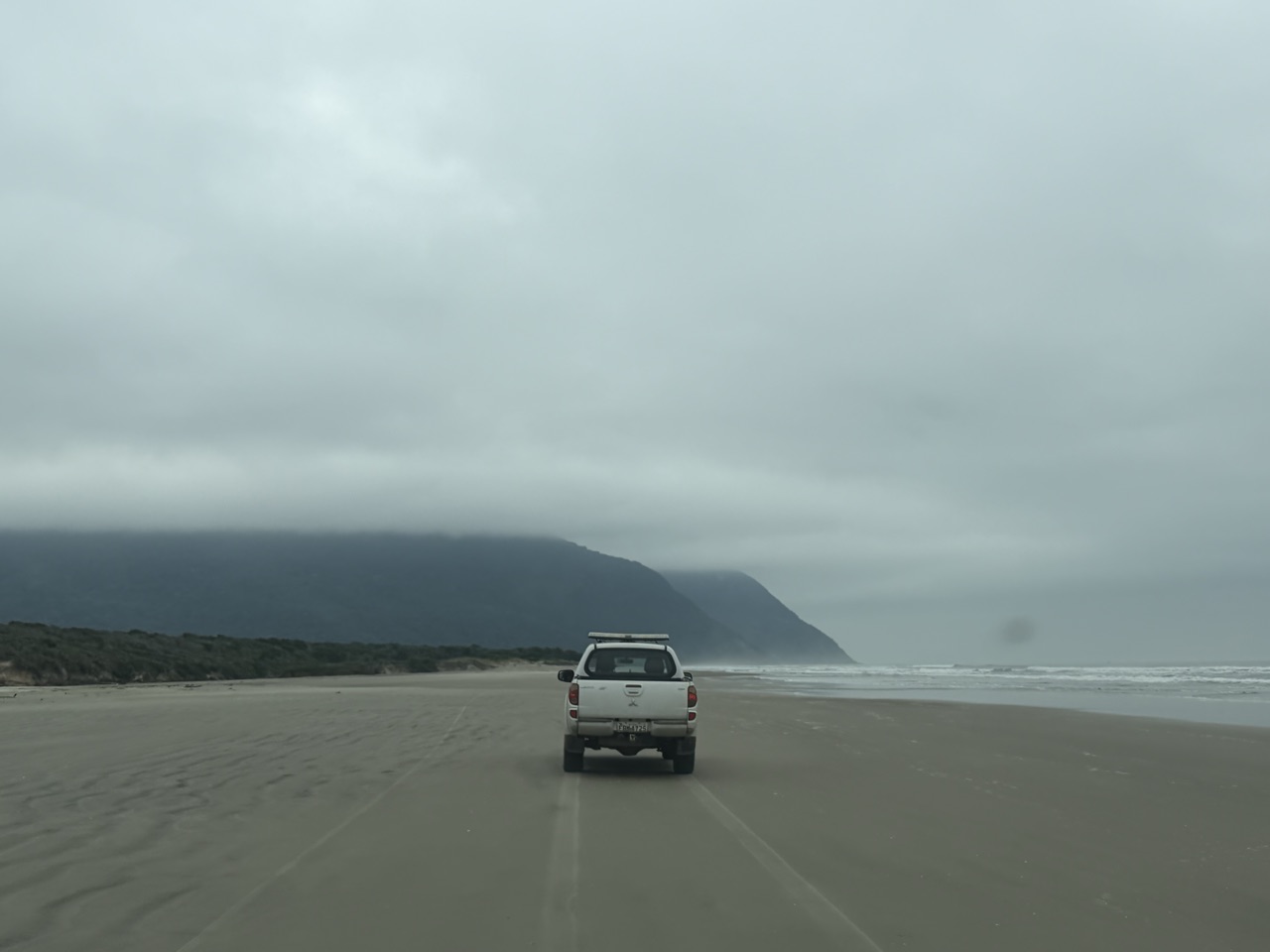
“We had packed the equipment and the entire team in a large SUV that our university, São Paulo State University (UNESP), Campus of Registro, had put at our disposal,” explains Jeniffer Teles. “Everybody was excited; you could sense it in the car. With Professor Giovana Bertini, Co-Lead and Local Scientific Coordinator, we had gone to bed at 1:00 a.m., doing all the last checks, making sure we hadn’t forgotten anything. Going to the sampling location from our university was a two-hour drive, so we had plenty of time to chat. We were mostly discussing the DNA traces we would catch and which species they would be from. When we arrived at the park, we had a bit of difficulty getting to the sampling location. There were no roads, so we had to drive carefully on the sand, luckily guided by the park manager himself.”
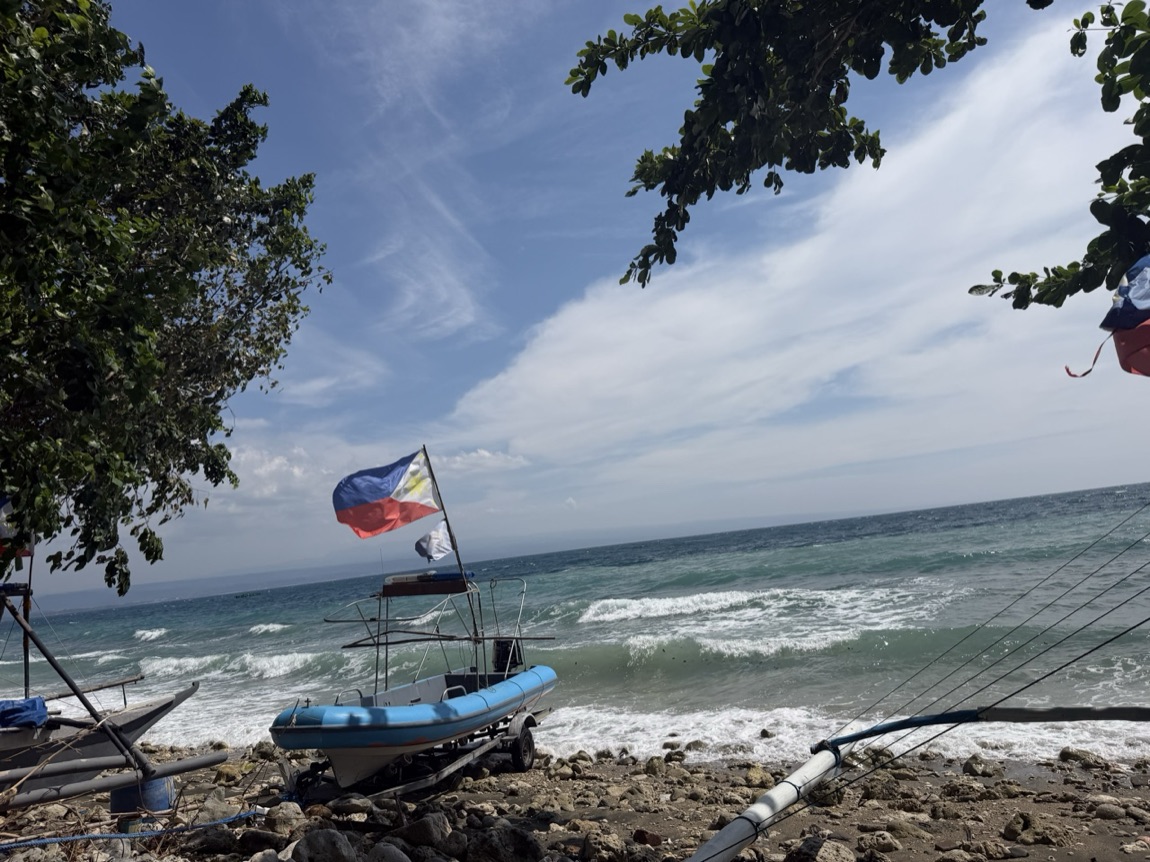
At Iligan Bay, the team had to face adverse conditions of a different kind. “August in the Philippines is the Habagat, the southwest monsoon season,” explained Sharon Rose Tabugo. “There are strong winds and strong waves. Two days before the sampling event, we did a short recon at the site and met with the Bantay Dagat. The weather was bad, but they told us not to worry; usually, in the morning, around 6:00 a.m., when we would go out to sea for sampling, everything is calm. We left reassured. On the sampling day, when we arrived at the shore, we realized that the weather was bad. The sea was rough; a typhoon had just swept the Northern parts of the Philippines. We had to wait for the waves to become smaller so we could take the boats out. And because it was low tide, we could not use a large, stable embarcation. We had to board very small boats that were moving a lot on the water. Nobody fell, nobody got sick, but we were totally wet from the waves that were coming into the boat!”
Sampling for the first time: mistakes, challenges and epiphanies
Despite the variety in backgrounds, experience, and expertise, the three teams shared the exact same apprehension during their first actual sampling in the field. One of the main difficulties was that each team had to follow the protocol as closely as possible while paying attention to the surroundings and the immediate environmental context. Each site had its own challenges.
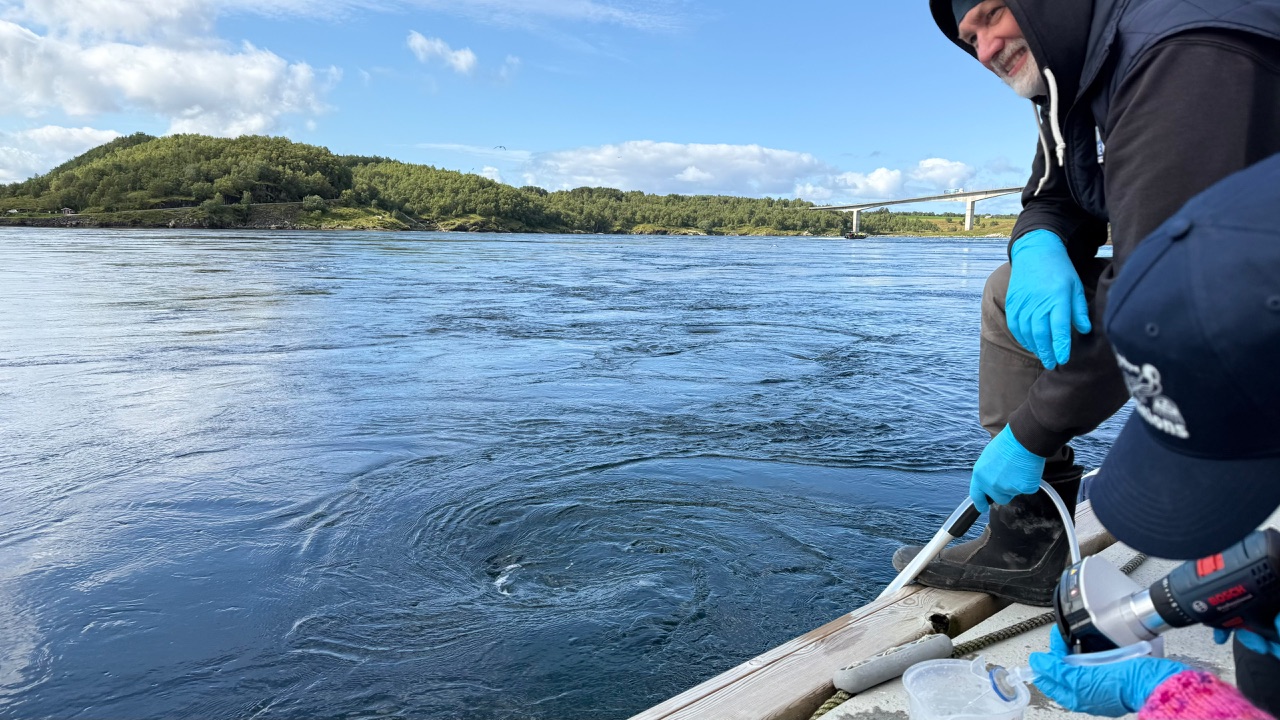
“Saltstraumen is a three-kilometer-long and about a hundred-meter-wide channel where the tide changes the current flow every six hours,” explains Joost Raeymaekers. “The currents are extremely dangerous, so we could only sample from land. The velocity of the water through the channel is constantly changing, which posed some challenges for us.” He continues to explain that on the sampling day, Fredric Ihrsén, a local diver part of the sampling team, suddenly realized that they were collecting much more organic matter than an hour before, which risked clogging the filter. “The currents had changed, and Frederic noticed it first because he dives here and knows the place so well,” says Joost Raeymaekers. “We now know that we have to pay more attention to the changing conditions in the water.”
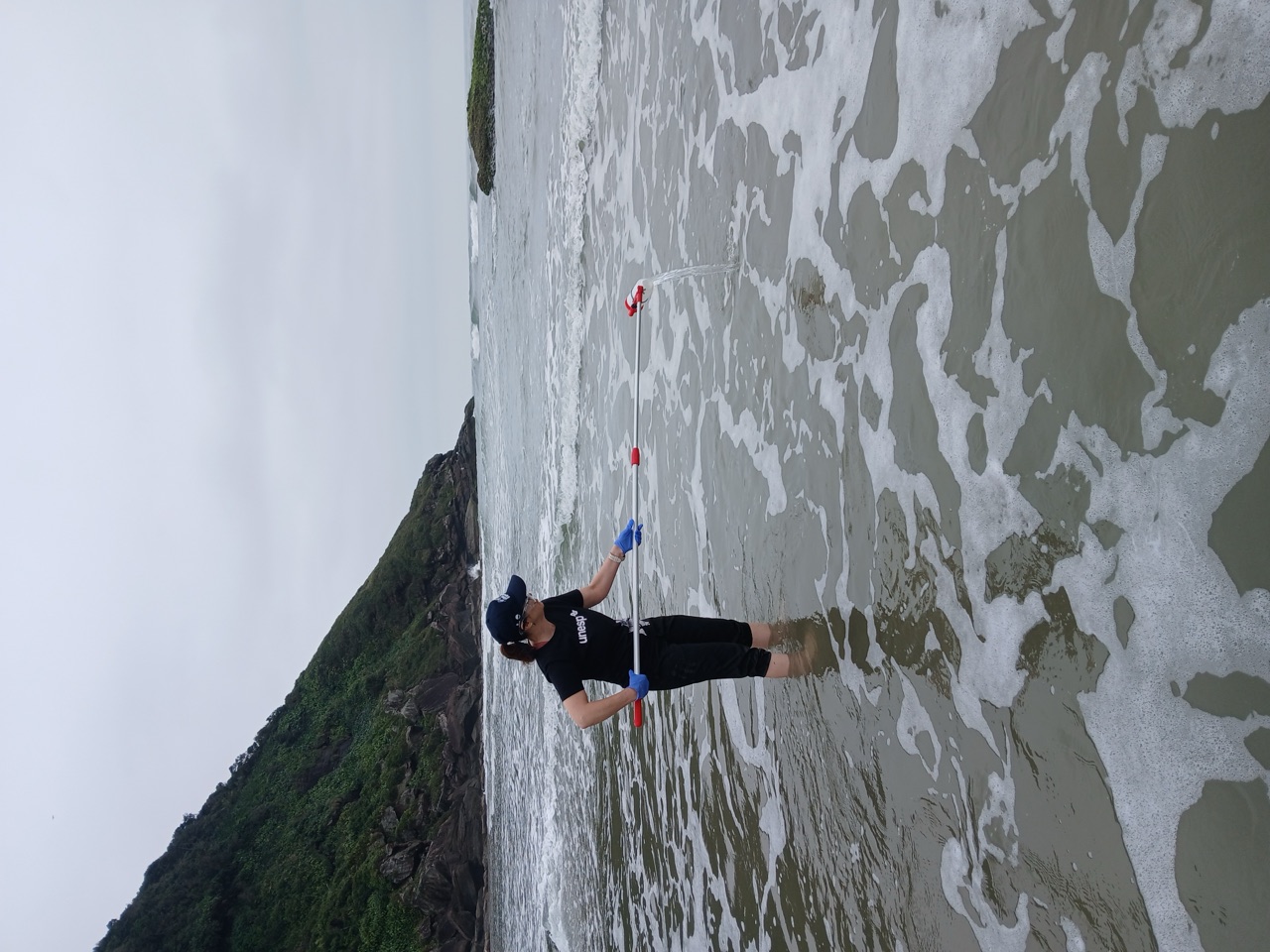
The tide also influenced the sampling day at Cananéia–Iguape–Peruíbe, but in a different way. “We could access this particular sampling location only via a sandy lagoon, at low tide,” explained Jeniffer Teles. “We parked the cars, unloaded the material on the beach, and started sampling. The park manager told us that we had to leave before high tide, or we could not go back and would have to spend the night in the park. So we were keeping an eye on the sea while sampling. Time was ticking. It took us nearly two hours to organize the team, take the negative sample and the first actual sample. But we managed to beat the tide and didn’t have to sleep in the park.”
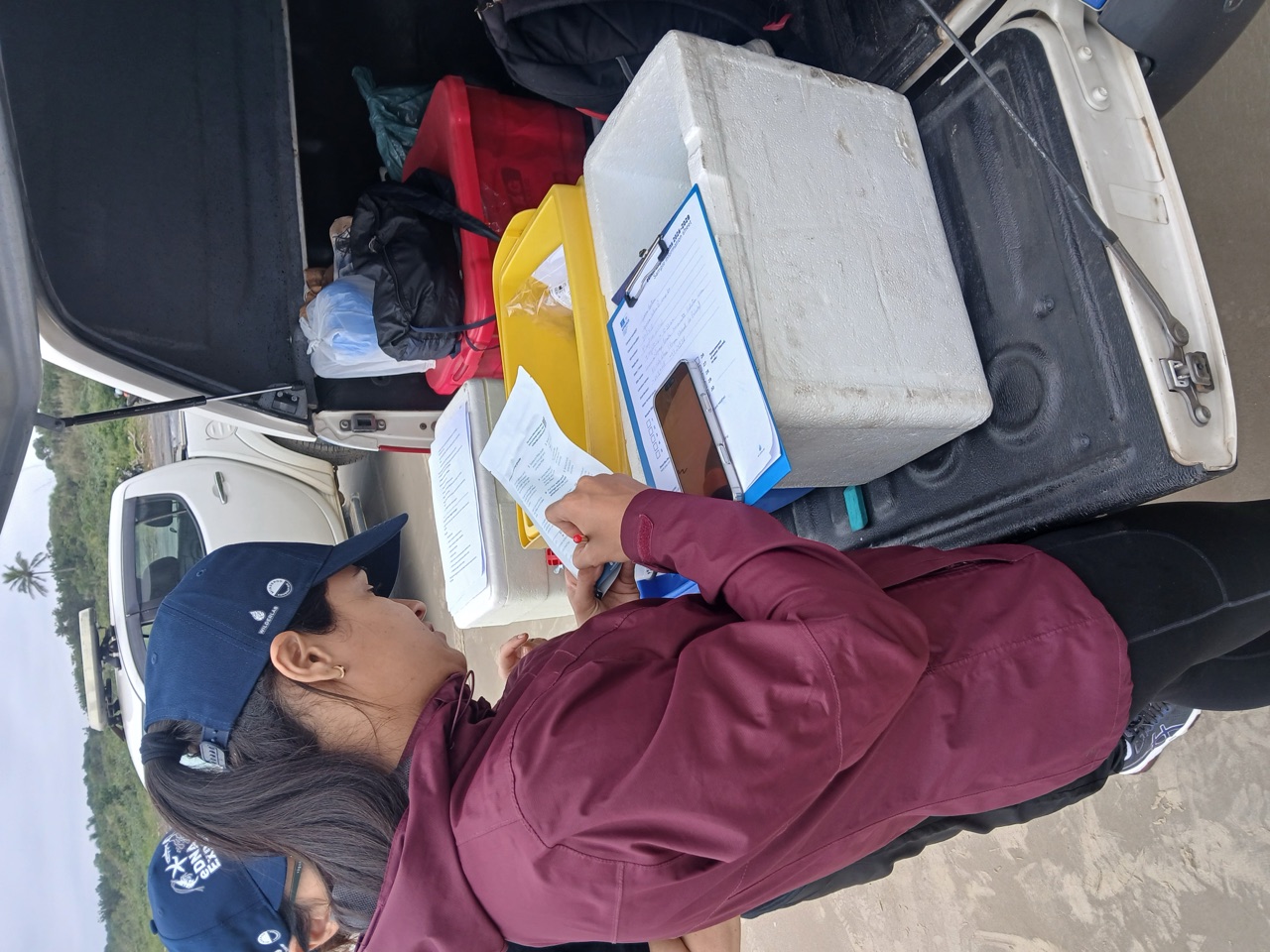
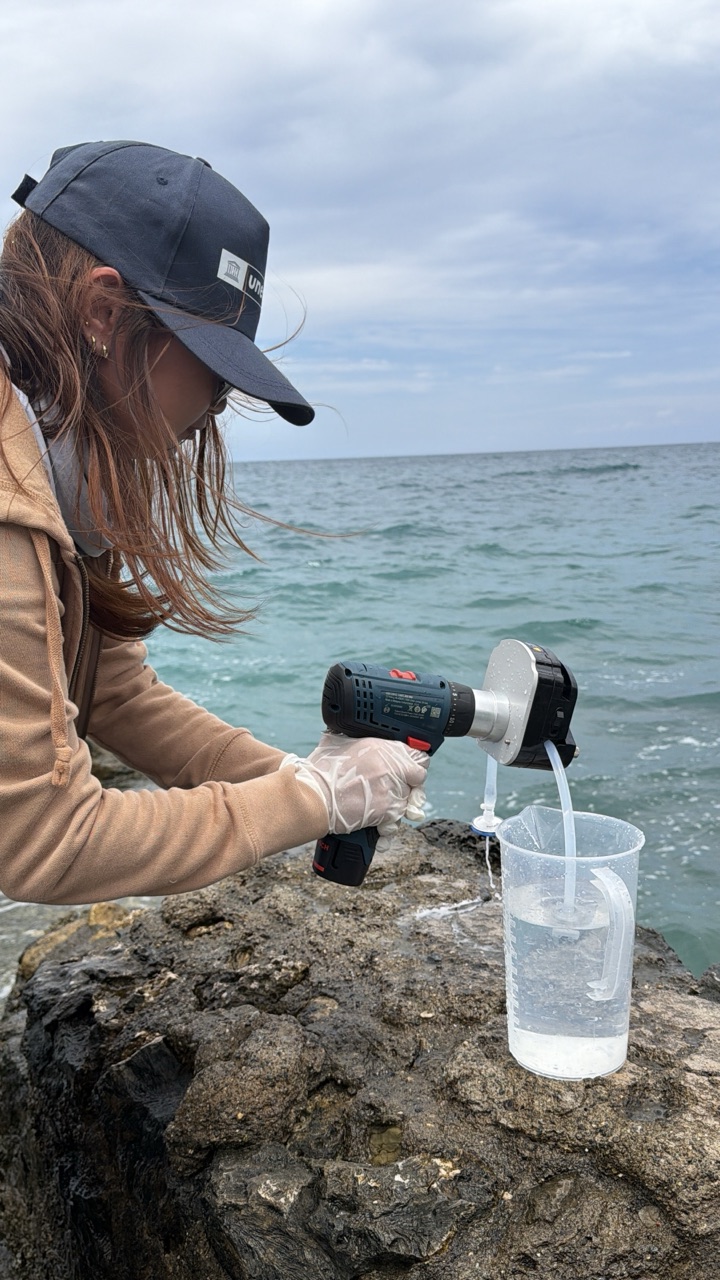
Every team member at the three sites was careful not to make any mistakes that could jeopardize the entire day. The focus was especially on avoiding cross-contamination at all costs. “We had talked beforehand so many times with the team about how contamination could compromise the samples,” said Jeniffer Teles. “We insisted that the team would have to wear gloves, that they could only grab the filter from the sides. At the beginning of the day, we were all very concerned, moving very slowly with small gestures. And I was very nervous, because everything needed to be perfect.”
"At the beginning of the day, we were all very concerned, moving very slowly with small gestures. And I was very nervous, because everything needed to be perfect."
At Iligan, the tension was also palpable at the beginning of the day. “Some team members were trembling a bit when handling the syringes,” revealed Sharon Rose Tabugo. “Everyone proceeded very carefully. But rapidly, the team became more confident, and the pace increased. People started to relax and enjoy themselves. At the end of the day, we all sat together by the sea to eat fish grilled by the Bantay Dagat and rice. It’s a Filipino thing!”
What the teams hope to learn from the sampling results
Each site faces its own, very localized environmental issues, and its coordinators have their own hopes and expectations for the sampling results. At Saltstraumen, the results could help shape a conservation strategy that better protects vulnerable fish species. “One of the most important species for us is the wolffish, which is endangered, overfished, and very vulnerable,” said Joost Raeymaekers. “Its habitat should be well protected in Saltstraumen, but the area is full of discarded fishing gear, such as hooks and lines from anglers.” Saltstraumen is one of the most famous fishing spots in Norway. With the data from the samples collected during the three years of eDNA Expeditions 2026-2028, the team hopes to demonstrate that strictly protecting some fish species for a given period would help them thrive. “We want to explain the spillover effect from marine protected areas: if you really do not fish at all for a while, then your entire area will become much more fish-rich, so it will actually benefit the fishermen. And we need data to support that.”
In Cananéia–Iguape–Peruíbe, the ecological balance of the site could be threatened by a potential invasive species, the Saccostrea cucullata oyster. “If we detect it in our samples, that information is crucial for the management of the protected area, which can then take conservation measures to prevent an invasion, which would be catastrophic.” The team also wanted to measure the difference in biodiversity richness between the protected area and another sampling location closer to an urban environment, hoping to find more endemic species and more richness in the protected area.
At Iligan, Sharon Rose Tabugo and her team focus on identifying key species in the coral reefs. “We know there are parrotfish,” she explained. “But we are not sure about which particular species live there. Data from the samples will tell us the exact genus. We also hope to collect data about diatoms, phytoplankton, seahorses, and some turtles from those same reefs. And, who knows, some new species of fishes that nobody expected.” The data will also serve to educate local populations. “Some fishermen do not understand why we are establishing the marine protected area,” she continues. “They think we are being selfish and not giving them the fish they need to eat. So we try to explain that we are creating safe spaces for the fish to breed and reproduce, with restored populations ultimately spilling out from the protected area into fishing grounds, creating a new resource for local populations.”
"We try to explain that we are creating safe spaces for the fish to breed and reproduce, with restored populations ultimately spilling out from the protected area into fishing grounds, creating a new resource for local populations."
This perspective supports the entire eDNA Expeditions 2026-2028 project, across continents and sites. The project’s data will help teams and communities to better understand the marine life surrounding them, and the actions needed to protect and preserve their local waters. And eventually, for the participants, each sample collected will become a step towards turning that knowledge into a stronger connection with the ocean.
Dive deeper
- Read about the eDNA Expeditions 2026-2028 sampling protocol
- Check our Field Sampling Guide and our training video
- Stay informed, join our newsletter (scroll below!)